Crafts - I Am Not Lazy
As an embroidery designer with years of experience in creating and reviewing digital embroidery files, I always look for designs that not only capture a visual idea but also translate well into real-world stitching. The Crafts - I Am Not Lazy design caught my attention immediately—not just for its message, but for how it could function across various handmade and commercial projects.
A Playful Yet Purposeful Design
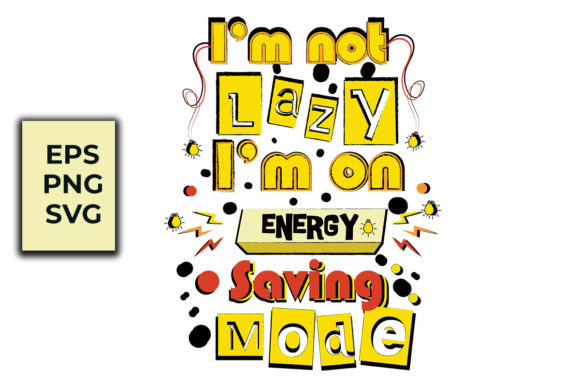
The phrase “I AM NOT LAZY, IAM ON ENERGY SAVING MOOD” is bold and expressive, yet the tone remains light-hearted. It’s the kind of sentiment that resonates with creative types, especially those who wear their quirks as badges of honor. As a vector file, the design offers clean lines and clear typography, which is essential when considering how it will stitch out on different materials.
Visually, this design has a modern, minimalist vibe. The layout is straightforward—centered text with minimal graphic embellishment. This makes it versatile for placement on both small and large items. The lack of complex illustrations means the focus stays on the message, which is great for custom apparel or branded products where readability matters more than intricate details.
Where It Fits Naturally
This design works best in casual, everyday embroidery projects. Imagine a tote bag embroidered with this phrase—it becomes a conversation starter at farmer's markets or local craft fairs. On a sweatshirt, it adds a touch of humor and self-awareness to a cozy winter staple. For baby clothes or nursery decor, the message can be rephrased or adapted slightly, making it a fun, personalized option for parents who appreciate witty humor in their child’s wardrobe.
I see this design fitting particularly well in handmade product lines like aprons, pillow covers, or kitchen towels. Its simplicity allows it to sit nicely next to other decorative elements without overwhelming them. It also works well as an embroidered patch, especially if you're aiming for something that can be sewn onto denim jackets, backpacks, or even leather accessories for a subtle statement piece.
Performance in Real Embroidery Projects
When testing this design on a sample sweatshirt embroidery, I noticed that the lettering holds up well on medium-weight cotton blends. The spacing between letters is generous enough to avoid crowding, and the shapes are uniform—no wonky corners or inconsistent stroke widths that often plague amateur designs. That said, because of its larger size and bold type, it might need careful placement to maintain balance on smaller items.
In terms of stitch types, the design seems to rely heavily on running stitch and fill stitch rather than dense satin stitch areas. This is a smart choice for general use since fill stitches tend to show more inconsistencies on textured or stretchy fabrics. However, if you plan to use this on something like a canvas tote or a thick felt banner, you might consider adjusting the stitch density or adding stabilizer for better results.
I also tested it on a dark fabric background using black thread, and while the contrast was good, the design would benefit from lighter or contrasting thread colors on darker bases. The thread color contrast is crucial here, especially for custom apparel intended for a broader audience. A white or cream thread option would significantly improve visibility and make the design more appealing across a range of fabric choices.
Projects to Approach with Caution
- Small hoop sizes: The design’s length and width may require a larger hoop. If you’re working within tight space constraints, consider resizing carefully or cropping parts of the design to maintain legibility.
- Textured fabrics: Because the design lacks heavy detailing, it might not stand out as much on materials like flannel, linen, or canvas. Experiment with stabilizers and stitch adjustments to enhance clarity.
- Thin or stretchy fabric: Avoid using this design on sheer or stretchy materials unless you reinforce with proper backing. Dense stitch areas can cause puckering or distortion.
- Dark fabric: As mentioned earlier, thread contrast is key. Stick to lighter threads for optimal visibility.
- Curved surfaces (e.g., caps or hats): The straight layout doesn’t bend well, so extra care is needed during positioning and hooping to ensure it sits flat and reads correctly after stitching.
Design Value and Customer Appeal
From a practical standpoint, Crafts - I Am Not Lazy adds value to a wide array of embroidery projects. It’s a design that can elevate a simple t-shirt or mug into a meaningful, personal item. The personality behind the phrase is relatable, which helps with customer trust and engagement—especially for Etsy sellers and craft business owners targeting niche audiences.
Its visual appeal lies in the clever wording and the confidence it exudes. People love seeing messages that speak to their lifestyle or work ethic. This design is ideal for boutique branding, holiday gifts, or even office swag for creative teams. As a digital embroidery file, it’s easy to incorporate into printable mockups for your online shop or design assets for social media previews.
However, don’t expect this design to blend in quietly. It’s bold and unapologetic, which is perfect for those who want to add character to their finished product, but may not suit every brand aesthetic. Consider the target audience before applying it to high-end fashion or formalwear. It shines brightest on casual, approachable items like tote bag designs and sweatshirt embroidery.
Designer Tips for Best Results
- Test it on scrap fabric first: Always do a trial run to assess how the design interacts with your machine and chosen material.
- Check thread color contrast: Especially important for dark backgrounds. Use a mockup tool to simulate different thread options before finalizing.
- Review stitch density: Since there are no overly detailed sections, you have some flexibility—but still, consistency is key for professional-looking results.
- Confirm hoop size: Make sure you have the correct dimensions available for your project. Resizing improperly can distort the message.
- Inspect small details: Though the design is simple, check for any tiny elements or spacing issues that could affect stitch quality.
- Use proper stabilizer: Even on lighter fabrics, a light tear-away or cut-away stabilizer can help keep the design flat and prevent shifting.
- Test it in black and white: To evaluate how the design stands out without color influence, especially for grayscale printing or monochrome embroidery.
- Compare light and dark fabric backgrounds: Ensure the design is readable and visually striking regardless of the base color.
- Check licensing before selling: If you plan to use this in commercial projects or sell digital products, confirm whether the license permits such use.
Final Thoughts on Crafts - I Am Not Lazy
Crafts - I Am Not Lazy isn't just another meme-style phrase stitched onto a file—it’s a design that feels authentic and thoughtfully crafted for real-life application. Whether you're an embroidery designer looking to spice up your collection or an apparel decorator aiming to offer unique, customer-friendly options, this file has potential.
It enhances product value by adding a humorous, empowering message that customers can connect with. When applied correctly, it looks professional and polished—ideal for handmade presentation or brand consistency in a craft business. Just remember, like any machine embroidery design, it needs thoughtful preparation and execution to truly shine.
If you're planning to feature this in your holiday gift line or nursery decor, keep in mind that while the original message is adult-oriented, slight adaptations can make it family-friendly. And for those eyeing it for commercial embroidery or digital resale, double-check the licensing terms to avoid any hiccups down the line.
All in all, Crafts - I Am Not Lazy is a solid addition to your embroidery project toolkit. With the right materials and setup, it can become a standout detail in your personalized gift offerings or a signature element in your small shop product line. Just take the time to understand its strengths and limitations, and you’ll find yourself crafting with confidence and creativity.