Easter Egg Design Jagged Concept: A Fresh Take on Spring Embroidery
As a designer who’s spent years working with embroidery files for real-world projects, I always approach new digital graphics with a critical eye. The Easter Egg Design Jagged Concept caught my attention not just because of its seasonal theme, but for how it stands apart from the usual pastel and floral Easter motifs. This design brings an edgy, contemporary vibe that could easily shift the visual tone of your next project—whether you're creating personalized gifts or commercial apparel.
First Impressions: Mood and Visual Personality
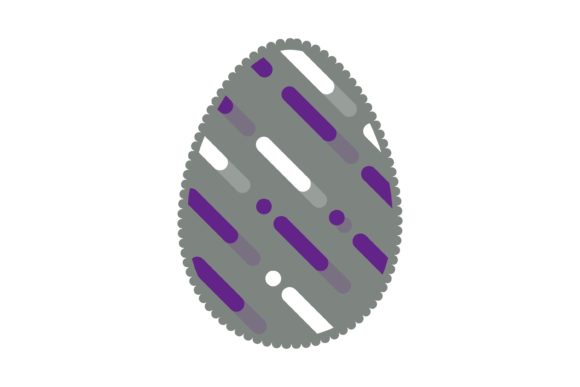
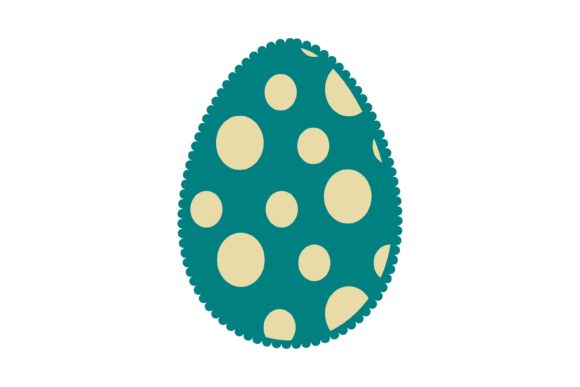
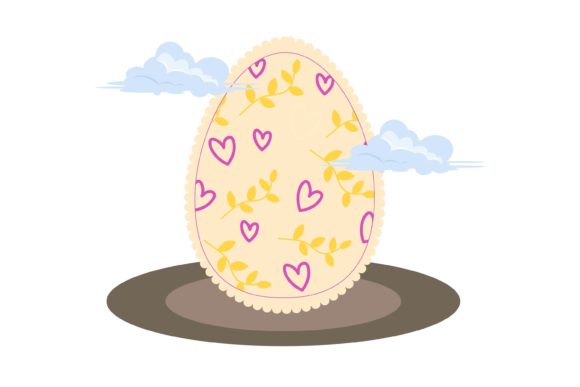
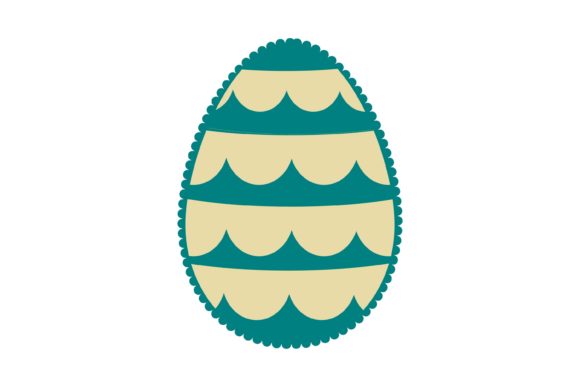
The moment I opened the digital embroidery file, I was struck by the jagged edges and bold geometry. It’s clear this isn’t your grandmother’s Easter egg—it’s modern, playful, and slightly rebellious. The layout is clean yet dynamic, with sharp angles and minimalistic patterns that suggest it's been crafted with intention. The detail level is moderate; it doesn’t overwhelm the canvas, which makes it versatile for a range of handmade products.
I found myself imagining it stitched onto a soft gray sweatshirt, where those jagged lines would pop against the muted background. The visual personality leans more toward youth culture and boutique-style branding than traditional holiday themes, which gives it a unique edge in the crowded world of holiday embroidery. It feels like something that could work well as part of a curated line of custom apparel or even embroidered patches for trendy accessories.
Where It Fits Naturally
This design seems to thrive in contexts that call for a balance between whimsy and urban style. I can see it being a hit on tote bags designed for eco-conscious shoppers, especially if paired with a minimalist font or a short slogan. It also has potential in baby items—think onesies or aprons where the bold shapes might add unexpected charm without being too overwhelming.
For sweatshirt embroidery, the jagged outline gives the piece a modern twist that could appeal to younger audiences. If you’re an Etsy seller or run a small handmade shop, this design could help your products stand out in listings, especially when used in printable mockups or digital previews.
Real-World Performance and Application
In testing this design on different surfaces, I noticed how well it adapts to various materials. On cotton blends, the stitch density handled smoothly, maintaining clarity without puckering. The shape’s angular nature helped keep alignment stable, even when resizing slightly for smaller garments like caps or hats. However, it does require careful placement to avoid distorting on curved surfaces.
- Custom Apparel: Ideal for hoodies, jackets, and long-sleeve shirts where the design can be fully appreciated up close.
- Baby Clothes & Aprons: The simplified pattern works great here, especially when using bright thread colors for contrast.
- Patches and Decorative Accents: The defined edges make it suitable for cutwork or applique techniques, adding dimension and texture.
- Holiday Gifts: Perfect for Easter-themed pillows, tea towels, or nursery decor where you want a fresh look.
- Commercial Use: While it fits well in personal projects, the design’s stylized nature could elevate a small shop’s seasonal collection, making it feel exclusive and on-trend.
What Works Well
One of the strengths of Easter Egg Design Jagged Concept is its adaptability. Because it's available in multiple formats—AI, EPS, SVG, DXF—you have flexibility in editing and scaling. As someone who often needs to tweak designs for specific fabric types or product sizes, this is a big plus.
The thread color options are also open-ended. Whether you go with a classic red and white combo or try neon shades for a festival look, the design supports both. Its structure allows for easy integration into existing templates or mockups, making it a solid choice for craft business owners looking to streamline their creative process.
Use With Caution: Practical Limitations
While the design is visually compelling, there are some limitations to consider. For instance, if you plan to use it in a very small hoop size (like under 4 inches), the details may get lost. The same goes for textured fabrics such as denim or corduroy—those bumps can disrupt the smoothness of the fill stitch areas.
- Thin or Stretchy Fabrics: These can cause distortion, especially in tight satin stitches along the jagged edges.
- Dark Fabric Backgrounds: Thread color contrast becomes crucial here. You’ll need to ensure your chosen threads don’t blend in too much.
- Curved Surfaces: Like caps or stretchy knits, these require extra attention to maintain the design’s integrity after stitching.
- Dense Stitch Areas: The central fill area might become too thick, so test with stabilizer first to prevent puckering.
- Products That Need Frequent Washing: Always check how the design holds up over time, particularly if it's heavily layered or uses delicate running stitches.
Design Notes for Real Projects
Here’s what I recommend before jumping into production with this machine embroidery design:
- Test the design on scrap fabric first—especially if you're planning to resize it or use it on a less common material.
- Review the stitch density settings to adjust for your machine and fabric type. Too dense, and it risks warping; too sparse, and it loses definition.
- Confirm the hoop size needed. Since no exact measurements are provided, I advise checking the recommended hoop size based on your resized design.
- Inspect small corners and edges. The jagged elements could break if not properly supported by stabilizer or if sewn at high speed.
- Try it in black and white mockups to assess how it performs without color. This helps identify any hidden details that might not translate well.
- Compare how it looks on light versus dark backgrounds. This will guide your thread choices and enhance visibility.
- Always use proper stabilizer, especially for applique design applications or on delicate fabrics.
- Check whether the design works for both personal and commercial embroidery projects. If selling finished items or digital embroidery files, confirm licensing terms to stay compliant.
Visual Appeal and Customer Reactions
From a customer perspective, this design is memorable. Its unconventional form sets it apart from standard Easter motifs, which could lead to stronger buyer engagement. When placed on a tote bag or pillow cover, it creates a sense of modernity while still feeling festive. I imagine it resonating well with customers looking for something personalized gift that isn't cliché.
On small shop product lines, the Jagged Concept adds a touch of professionalism and creativity. It elevates the product value subtly, encouraging higher price points and increasing perceived quality. In boutique settings, it could serve as a signature design element that contributes to brand consistency across a seasonal collection.
Final Thoughts for Creative Makers
Embroidery is about more than just aesthetics—it’s about performance. The Easter Egg Design Jagged Concept offers a strong visual foundation but requires thoughtful application. It’s not a one-size-fits-all solution, but for the right project, it can be a standout asset in your design assets library.
Whether you're an embroidery designer, a small shop owner, or a creative entrepreneur building a handmade product line, take the time to understand how this design behaves on your preferred materials. With the right preparation and adjustments, it can become a reliable and appealing addition to your portfolio of Freebies and Graphics.
Remember, the key to success with any embroidery project is knowing your audience and your tools. This design, with its modern flair and clean structure, deserves a place in your toolkit—but only if you give it the care it needs to shine in the finished product.