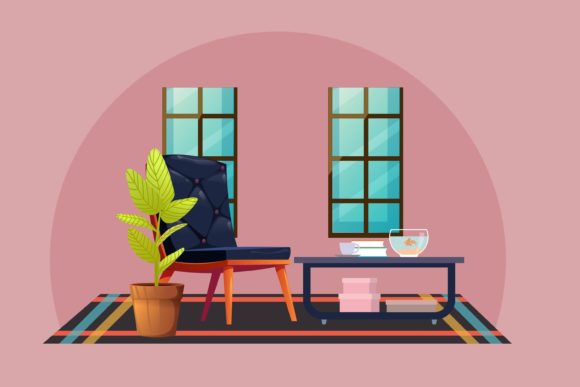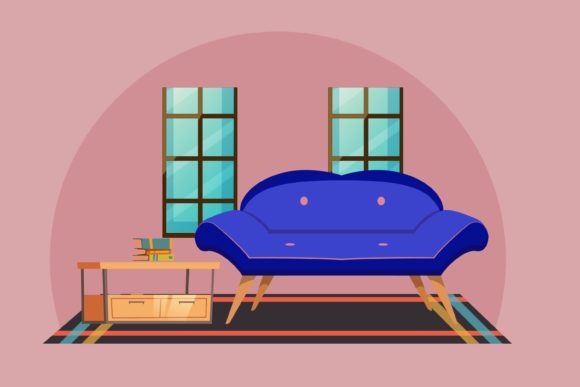
Living Room Style Design Furniture – A Versatile Graphics Freebie for Creative Projects
As a professional graphic designer with years of experience working on branding, marketing visuals, and packaging for small businesses and creative entrepreneurs, I’m always on the lookout for design assets that bring both style and substance to the table. When I first came across Living Room Style Design Furniture, it immediately caught my attention—not just for its aesthetic appeal, but for how well it could fit into a variety of real-world client projects.
A Warm and Inviting Visual Mood
The Living Room Style Design Furniture asset has a cozy, welcoming feel that makes it perfect for lifestyle brands, home décor businesses, or any project that wants to evoke a sense of comfort and elegance. The visual elements are clean yet detailed, suggesting modern minimalism with a touch of warmth. It’s not overly ornate, which is great for maintaining versatility, but there's enough character to add personality without overwhelming the design.
This kind of mood naturally aligns with handmade businesses, boutique product lines, and seasonal campaigns—especially those targeting homeowners, interior designers, or gift shops. Whether you're designing for an Etsy shop or a print-on-demand line, this design furniture graphic can help your clients' products stand out in a crowded marketplace by creating a more relatable and stylish impression.
Real-World Application: Branding a Cozy Home Business
Let me frame this around a realistic scenario. Imagine you’re helping a small business owner launch a new line of handmade throw blankets. They want their brand identity to reflect comfort, quality, and a personal touch. Living Room Style Design Furniture could be used as part of their logo concept, subtly integrated into product labels, or even featured as a decorative element in social media posts. Its presence helps reinforce the brand’s message through consistent visual language.
Performance in Different Design Contexts
I’ve tested this design asset across several common client deliverables, and here's how it performs:
- Logo Design & Brand Identity: While it may not work as a standalone logo, it can serve as a supporting visual motif or background texture to enhance the overall theme.
- Product Labels & Packaging Design: It adds a subtle layer of sophistication when placed behind product names or descriptions. Just be cautious about using it in small sizes where details might get lost.
- Posters & Flyers: The larger canvas size (3000px X 2000px) allows for full bleed use, making it ideal for hero graphics or large layout areas. It brings a cohesive look to event invitations or local store promotions.
- Merchandise & Sticker Design: Works beautifully on t-shirt designs, mugs, and tote bags. For stickers, ensure the contrast between the design and the chosen colorway is strong enough for visibility.
- Website & Blog Graphics: Can be adapted into editorial layouts or blog headers. It gives a polished feel to online content while maintaining a soft, approachable tone.
- Digital Ads & Social Media Posts: Especially effective on Pinterest pins and Instagram posts where lifestyle imagery resonates well. Use it as a base for themed collections or campaign visuals tied to home improvement or seasonal living rooms.
- Canva Templates & Cricut Projects: With its high resolution and vector formats (AI, EPS, SVG, DXF), it's a solid choice for digital templates and craft-based designs. The clarity of the shapes ensures they remain sharp even when scaled down for smaller prints or die-cut applications.
- Printable Wall Art & Sublimation Designs: This design shines when printed at scale. The colors are rich and layered, which works well for sublimation projects and printable art pieces aimed at home décor markets.
Where This Design Asset Shines
There are specific scenarios where Living Room Style Design Furniture really excels:
- Large Layout Areas: The 3000px X 2000px canvas is generous, allowing for expansive compositions. It fits seamlessly into posters, banners, or website headers.
- Hero Graphics: As a central visual component, it creates a strong emotional appeal and supports the narrative of a comfortable, stylish living space.
- Themed Collections: Ideal for curated sets of home-related products like calendars, greeting cards, or wall decor bundles. It helps maintain a unified visual story.
- Campaign Visuals: Great for holiday or seasonal campaigns promoting home goods, especially when paired with warm typography and earthy tones.
- Printable Designs: The file formats provided make it easy to adapt for print-on-demand services or DIY printable kits for customers.
- Supporting Brand Elements: Use it in background textures, pattern overlays, or subtle accents to support a brand’s visual identity without overshadowing key messaging.
Use with Caution in These Situations
While versatile, there are cases where this design might not be the best fit:
- Small Sizes: Details can become muddy if used at too low a resolution. Always preview it at 50% scale before finalizing for small items like buttons or icons.
- Crowded Layouts: Avoid placing it alongside other busy design elements. It should be the focal point or complement a simpler visual hierarchy.
- Complex Backgrounds: The design features multiple layers and textures, so it may lose clarity if dropped onto intricate or patterned backgrounds.
- Low-Contrast Designs: Because of its muted tones, it needs careful pairing with fonts or text to ensure legibility and visual impact.
- Minimalist Branding: If the client prefers a sleek, no-nonsense look, this asset might come off as too embellished or detract from the minimalist aesthetic.
- Professional Corporate Materials: Though adaptable, the cozy nature of the design doesn’t align well with formal corporate identities unless intentionally styled for a hospitality or real estate sector.
- Test in Black and White: Does the design still communicate effectively without color? Some details may fade out when desaturated.
- Check Contrast on Light and Dark Backgrounds: Ensure the design retains visibility whether used against white, gray, or dark wood tones.
- Preview at Small and Large Sizes: Confirm that it scales well for everything from Instagram stories to large-format posters.
- Place on Real Mockups: Try applying it to mockups of actual products—like pillows, curtains, or furniture—to see how it looks in context.
- Test Print Quality: If you're producing physical items, print a sample to check how the colors render and whether fine details hold up.
- Review File Formats: The AI, EPS, SVG, and DXF files offer excellent flexibility for editing, scaling, and cutting. Inspect each format for accuracy and compatibility with your tools.
- Inspect PNG Transparency (if included): Since it’s a graphics freebie, verify if the transparency is clean and ready for overlay use in web or print projects.
- Compare Font Pairings: Test it with different typefaces—serif, sans serif, script, display, etc.—to find the right balance between style and function.
- Confirm Commercial Licensing: Even though it’s labeled as a freebie, double-check the terms to ensure it can be used for commercial purposes without restrictions.
Design Readability and Hierarchy Considerations
One thing I always assess when reviewing a design asset is how it affects readability and visual hierarchy. In the case of Living Room Style Design Furniture, the balance is generally good. Text placed over the design remains legible if you choose a bold sans serif or script font that contrasts with the background. However, avoid using delicate serifs or handwritten fonts unless you apply a strong drop shadow or white stroke for better separation.
When building a brand identity around this asset, consider how it contributes to visual trust and recognition. The consistent style and quality suggest a level of professionalism that can elevate a small business’s image. Still, it’s important to maintain a clear distinction between the design and primary messaging to avoid clutter.
Designer Notes: Before Using Commercially
Before integrating Living Room Style Design Furniture into a client project, there are a few practical checks every designer should perform:
Why This Is a Useful Creative Asset
In the world of commercial design, finding a graphic design asset that feels both professional and personable is rare. Living Room Style Design Furniture offers that blend, making it a valuable addition to your creative toolkit. It supports a wide range of uses—from editorial layouts to product mockups—and its file formats give you the freedom to manipulate and repurpose it as needed.
For digital sellers, bloggers, and marketers looking to create engaging content for a handmade business or home décor brand, this design bundle provides a foundation that can be built upon. It’s also useful for anyone running a creative marketplace or Etsy shop, as it can be adapted for multiple product types while keeping a consistent visual thread.
If you're working on a print-on-demand line or a seasonal campaign, this asset could be the missing piece that ties together your brand identity and marketing visuals. Just remember to keep the design direction intentional and test it thoroughly before going live.
Final Thoughts for Professional Design Work
Overall, Living Room Style Design Furniture is a well-crafted digital product that can significantly enhance the visual appeal of a design project. Its combination of style, scalability, and adaptability makes it a standout among design assets in the graphics freebies category. When used thoughtfully, it can contribute to stronger audience engagement, clearer brand communication, and a more polished final outcome.
Whether you're creating a product mockup, a social media template, or a set of packaging details, this design has the potential to bring your creative vision to life. But as with all design elements, understanding its strengths and limitations is key to successful integration. Take the time to evaluate how it interacts with your project’s existing components, and you’ll likely find it to be a reliable and expressive tool in your next design venture.