Small Steps Every Day Embroidery Design Review
As an experienced embroidery designer and product reviewer, I’ve had the chance to evaluate countless digital embroidery designs over the years. One that recently caught my eye is Small Steps Every Day, a versatile machine embroidery design offered in SVG, PNG, DXF, PDF, and EPS formats. While the file types are standard for digital embroidery files, it’s how they translate into real-world projects that truly matters. In this article, I’ll walk through my hands-on evaluation of the design, focusing on its practical application across a range of handmade products and commercial embroidery scenarios.
First Impressions: A Warm and Encouraging Vibe
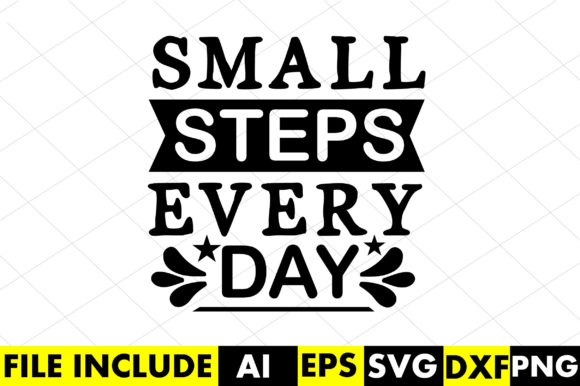
The first thing that struck me about Small Steps Every Day is its gentle, uplifting message. The phrase is rendered with clean typography and subtle decorative elements, giving it a soft yet confident presence. It doesn’t scream for attention but rather invites you to pause and reflect — a quality that can make it feel more personal and meaningful in custom apparel or gift items.
Visually, the layout is balanced and easy to read. The letters have consistent stroke widths, making them ideal for satin stitch execution without the risk of distortion or uneven coverage. The overall shape feels modern but approachable, which means it can adapt well to different project styles, from minimalist to whimsical.
Design Personality and Project Fit
This design naturally fits into themes like mindfulness, self-improvement, and daily motivation. It would look great on sweatshirt embroidery or tote bag design projects aimed at adults seeking small reminders of perseverance. For baby embroidery or nursery decor, though, I’d suggest modifying the text slightly to better match the tone of those spaces.
I see it as a strong contender for both personal and commercial use. Its visual simplicity makes it suitable for a wide array of craft business applications, including personalized gifts and boutique branding efforts. However, the charm of the design lies in its subtlety, so it works best where the focus is on the message rather than bold visuals.
Real-World Application: From Tote Bags to Apparel Decor
Let’s imagine using Small Steps Every Day on a custom embroidered tote bag for a local wellness store. The design would fit beautifully in a 6x8 inch hoop size, especially when paired with a few floral or geometric fill stitches around the edges. On cotton canvas or linen blends, the clarity of the text remains sharp, and the design feels cohesive with the brand’s aesthetic.
In sweatshirt embroidery, the same design could serve as a front pocket patch or a chest emblem. The running stitch outlines work well here, keeping the weight manageable while maintaining legibility after multiple washes. For Etsy sellers or small shop product creators, this makes it a reliable option for everyday wearables without overwhelming the garment.
When applied to holiday gifts, such as embroidered pillows or tea towels, the design adds a thoughtful touch. It pairs nicely with seasonal colors and can be enhanced with metallic thread accents for a festive flair. Just keep in mind that on textured fabrics like flannel or burlap, the detail level may require some adjustments to ensure stitching clarity.
Where to Use With Care
- Small Hoop Sizes: The design is compact enough to fit into smaller hoops, but if you're working with something less than 4x4 inches, consider scaling down carefully and inspecting small details to avoid losing clarity.
- Stretchy or Thin Fabrics: Because the design includes fine lines and potential dense stitch areas, it's important to test it on stretchy materials like knits or thin synthetics before committing to a production run.
- Dark Fabric Backgrounds: The default thread color palette may not provide enough contrast on darker materials. A black-and-white mockup is essential to preview how the design will stand out.
- Curved Surfaces: If you’re planning to stitch this onto a cap or curved surface, ensure the software allows for seam adjustments. Otherwise, the corners may pucker or distort during stitching.
- Frequent Wash Use: For items like aprons or kitchen towels, check stitch density and thread tension to prevent fraying or loosening over time.
Visual Appeal and Stitching Clarity
One of the strengths of Small Steps Every Day is its ability to maintain visual appeal across various embroidery techniques. Whether used as an applique design or integrated directly into a garment, the layout supports clear lettering and a professional finish.
However, the design’s effectiveness depends heavily on fabric choice and stabilizer type. On smooth, medium-weight cotton, the satin stitch definition shines. But on stretchier or layered garments, the same technique might lead to puckering unless you reinforce the area with proper backing material.
For hobbyists and makers, the design is forgiving enough to allow experimentation with different thread colors and textures. For commercial embroidery, it’s a safe bet as long as you verify machine compatibility and adjust settings based on your specific fabric and equipment.
Customer Reaction and Giftability
From a buyer engagement standpoint, the design has broad appeal. As a motivational phrase, it resonates with customers who appreciate subtle, positive messages in their handmade products. When stitched neatly onto a personalized gift like a baby blanket or a cozy sweatshirt, it adds a layer of emotional value that enhances product value and customer trust.
Etsy sellers and craft fair vendors should consider pairing this design with complementary elements — perhaps a small icon or border — to create a unique look that stands apart in crowded marketplaces. The key is to let the design speak for itself without overshadowing the item it adorns.
Designer Notes: Practical Tips Before Sticking
- Test on Scrap Fabric First: Always do a trial run to assess how the design behaves on your chosen material. This helps identify issues with stitch density or tension early on.
- Check Thread Color Contrast: Especially on dark or patterned backgrounds, choose thread colors that offer high visibility. The design benefits from being easily readable, so don't compromise on this aspect.
- Review Stitch Density Settings: Dense stitch areas may require reduced tension or alternative stitch types to prevent fabric distortion. Adjust accordingly based on your machine’s capabilities.
- Confirm Hoop Size Requirements: While the exact hoop size isn’t provided, it's crucial to determine the minimum space needed for all elements of the design to stitch cleanly. Avoid forcing it into undersized hoops.
- Inspect Small Details: Look closely at the lettering and any intricate parts of the design. Tiny features can disappear on certain fabrics or under incorrect stitching conditions.
- Use Proper Stabilizer: Especially for delicate or stretchy materials, stabilizing the fabric before stitching ensures a polished finished product.
- Verify Licensing Terms: Since this is a digital embroidery file, always confirm whether it allows for commercial use or selling of finished items. That way, you can confidently integrate it into your craft business or Etsy listings.
Project Ideas That Work Well
Here are some of the most promising uses for Small Steps Every Day in real-life embroidery projects:
- Custom sweatshirts for a yoga studio or wellness center
- Embroidered patches for backpacks or denim jackets
- Tote bags for gift shops or community events
- Pillow covers with added floral or geometric fill stitches
- Tea towels or aprons for home décor lines
- Holiday-themed blankets or wall hangings
- Printable mockups for digital product previews
Final Thoughts for Crafters and Business Owners
Small Steps Every Day is a solid addition to your design assets for both personal and professional embroidery projects. Its friendly and encouraging vibe aligns well with the handmade product ethos, and its adaptable layout allows for creative expression within a variety of crafts.
Still, like any embroidery file, it requires thoughtful preparation. Take the time to test it, adjust settings, and consider fabric suitability. When done right, it can elevate your custom apparel, gift items, and small shop merchandise with a touch of personality and purpose.
Whether you're a seasoned embroidery designer or just starting out in your craft business, this graphics-based design offers a fresh and functional option for your next project. Just remember to treat it like any other design asset — with care, curiosity, and a bit of creativity.