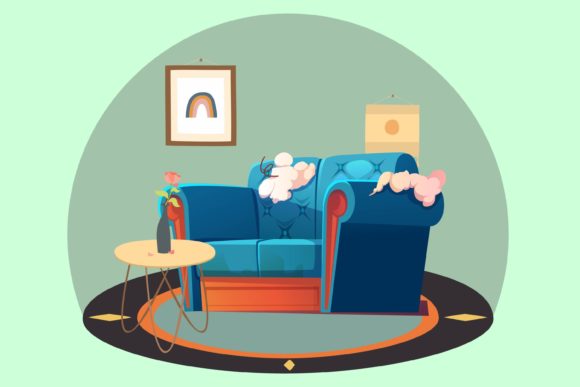
Living Room Furniture Interior: A Designer’s Practical Take
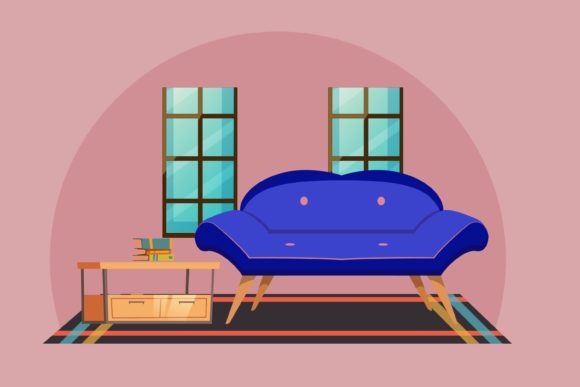
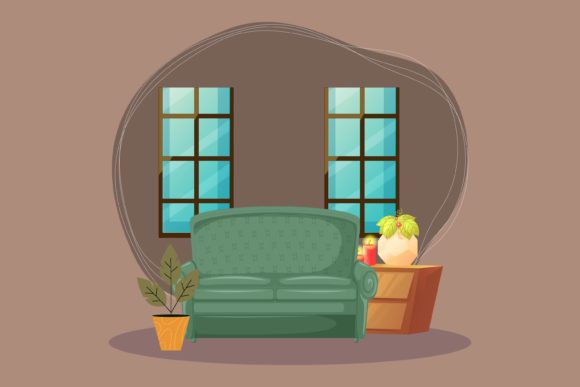
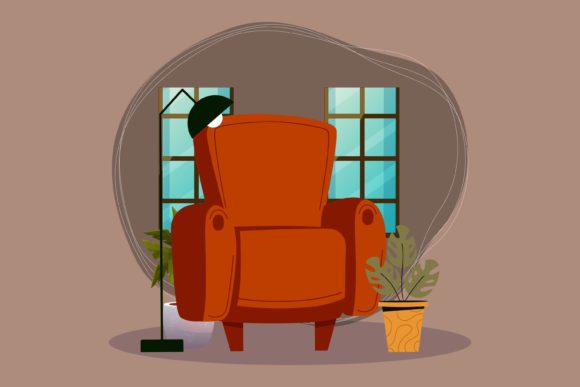
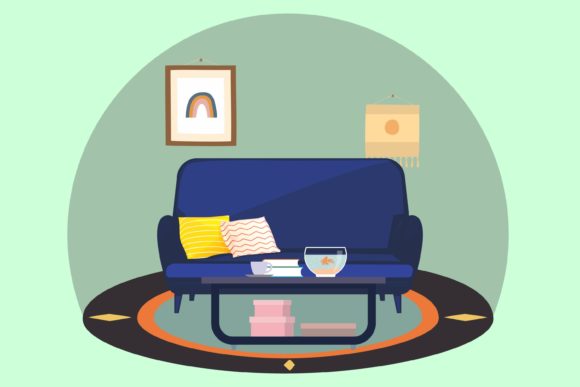
As an experienced embroidery designer and product reviewer, I often come across digital files that look great on paper but fall short in real-world application. When I first opened the Living Room Furniture Interior design, I was immediately struck by its composition and visual balance. The layout is clean, with a realistic yet stylized illustration of furniture pieces arranged in a cozy living room setting. It feels warm and inviting, making it ideal for home décor or personalized gifts.
A Versatile Design with a Homey Vibe
The Living Room Furniture Interior has a soft, modern aesthetic that doesn’t scream “embroidery” but rather blends seamlessly into lifestyle visuals. The detail level is just right—enough to be engaging without being overwhelming. This makes it perfect for projects like custom pillow covers, aprons, or even tote bags where you want the design to feel personal and thoughtful.
I can already imagine using this for a boutique line of embroidered pillows or as part of a holiday gift set. Its layout suggests a focus on comfort and style, which aligns well with handmade products that aim to evoke warmth and homeliness.
Stitching Clarity and Layout Considerations
One thing I always check is how the design will translate from digital to fabric. The Living Room Furniture Interior has distinct shapes and lines, which are important for stitch clarity. The furniture outlines are bold enough to hold up under satin stitching, and the fill areas—like cushions or rugs—are evenly spaced, reducing the risk of distortion when stitched on stable materials.
However, if you're planning to use this design on stretchy fabrics or curved surfaces (like caps or hats), you’ll need to adjust the layout carefully. The furniture silhouettes might not sit well if stretched unevenly, and the corners could become misaligned. For best results, stick to flat, medium-weight cotton or linen.
Thread Color Contrast and Visual Impact
When reviewing machine embroidery designs, thread color contrast is essential for visibility and appeal. In the case of Living Room Furniture Interior, the default color scheme is subtle—probably white, gray, and maybe a pop of blue or green for accents. While this works well for light-colored backgrounds, it may not stand out on darker fabrics.
If you're considering this for a sweatshirt or a tote bag, test the colors against your intended fabric background. You might find that swapping out some thread shades for brighter ones enhances the design's impact. For a personalized gift or custom apparel, ensuring good contrast between the design and garment base is key to customer satisfaction.
Design Performance Across Product Types
This design shines most when applied to larger items. Think about it as a feature piece rather than a small accent. Here are a few practical applications:
- Tote Bag Design: The canvas size of 3000px X 2000px allows for full coverage embroidery on a large tote. Ideal for branding or selling as a premium handmade product.
- Sweatshirt Embroidery: Placed near the chest area, the design adds a touch of personality without looking too busy. It fits well in both front-only and back-embroidered styles.
- Pillow Covers & Aprons: These are natural fits for the theme and scale of the design. The softness of the imagery complements these everyday items beautifully.
- Printable Mockups: As a graphics file, this is excellent for creating digital previews or mockups for Etsy listings or craft fairs. It gives customers a clear idea of what the finished product will look like.
For smaller products like embroidered patches or caps, the design needs to be scaled down significantly. At that point, some details may get lost, so it’s better to simplify or focus on a section of the design instead of trying to fit the whole thing into a tight hoop space.
Real-World Testing Tips for Embroidery Designers
Before diving into production, I recommend testing the Living Room Furniture Interior on scrap fabric. Pay attention to the following:
- Check Thread Color Contrast – especially if you plan to use it on dark or patterned fabrics.
- Review Stitch Density – dense areas like furniture upholstery should be tested for puckering or distortion.
- Confirm Hoop Size – while the file size is generous, actual hoop requirements depend on scaling and placement.
- Inspect Small Details – ensure elements like windows, doorknobs, or furniture legs remain visible after stitching.
- Test in Black and White – to see how the design holds up without color influence.
- Use Proper Stabilizer – especially on thin or textured fabrics to maintain shape and integrity.
These steps help avoid surprises later, whether you’re crafting a holiday gift or preparing for a commercial embroidery project.
Commercial Use and Licensing Clarity
Since this is listed as a Freebie under the Graphics category, I urge designers to double-check licensing terms before using it in commercial projects. Even though it's free, it might still require attribution or have restrictions on resale of finished goods. Always confirm before listing it as part of an Etsy seller product or including it in a small shop merchandise collection.
That said, if the license permits it, the design can easily become a valuable design asset for your creative portfolio. Its realistic yet simplified style makes it adaptable for different niches, from nursery decor to cozy home-themed apparel.
Customer Perception and Brand Consistency
From a buyer engagement perspective, the Living Room Furniture Interior has a strong visual personality. It communicates a sense of craftsmanship and thoughtfulness—perfect for handmade shop owners aiming to elevate their product offerings. Whether used on a baby item or a holiday gift, the design conveys a feeling of quality and intentionality.
What’s more, the consistent layout and structure make it easy to integrate into existing brand aesthetics. If your business focuses on home décor or lifestyle products, this design can enhance your brand consistency and recognition across multiple product types.
Where Caution Is Advised
While the design is versatile, there are specific situations where caution is needed:
- Small Hoop Sizes – Scaling down too much can cause loss of detail and stitch confusion.
- Textured or Stretchy Fabrics – These can distort the design unless properly stabilized and prepped.
- Dense Stitch Areas – Be mindful of thread tension and potential puckering, especially on thinner materials.
- Products That Need Frequent Washing – Ensure the design uses durable threads and proper backing to prevent fading or loosening over time.
These considerations are vital for maintaining the product value and customer trust that come with high-quality embroidery work.
Final Thoughts for Creative Entrepreneurs
In my experience, the Living Room Furniture Interior is a solid addition to any embroidery designer's toolkit. It brings a fresh, contemporary look to home-related products and offers flexibility in application. Just remember to tailor it to your materials and use cases—especially when working on stretchy, curved, or delicate surfaces.
Whether you're a hobbyist exploring new themes or a seasoned apparel decorator expanding your product range, this design has the potential to add charm and value to your creations. But like any machine embroidery design, it requires careful consideration and testing to ensure it performs as expected in real-life scenarios.
So go ahead—try it on a sample pillow cover or a tote bag prototype. With the right prep and presentation, Living Room Furniture Interior could become a favorite among your clients and customers alike.